DARR
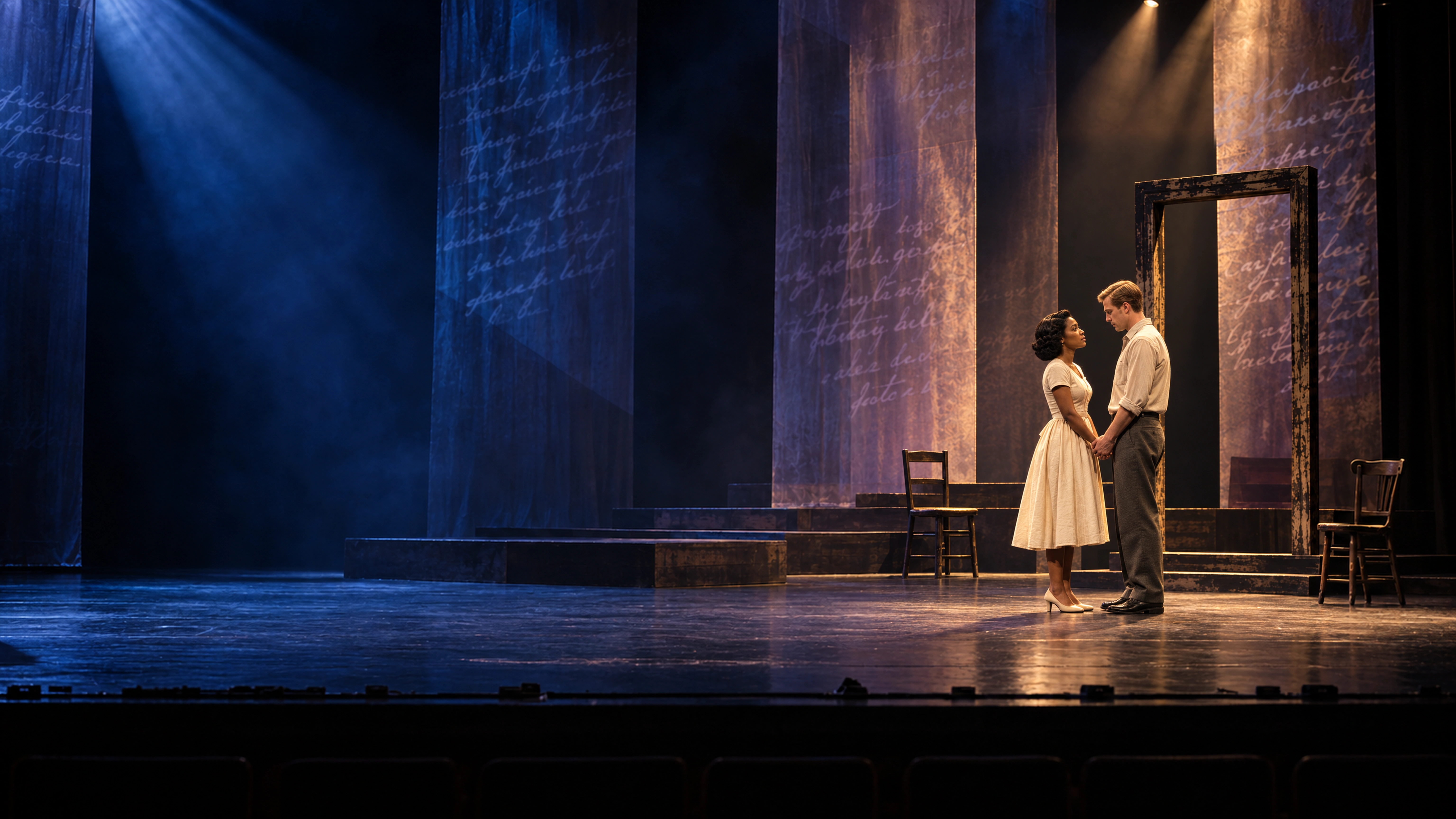
Conceptual theatrical staging for LOVING: two actors together on a sparsely furnished stage
← Universe

A NEW MUSICAL · DEMITRI DARR

LOVING

A New Musical Inspired by the True Story of Richard and Mildred Loving

They never set out to change history.
They simply wanted the right to love,
marry, and live together.

Listen to LOVING ↓

LOVING is a new musical inspired by the true story of Richard and Mildred Loving, whose marriage challenged America’s anti-miscegenation laws and ultimately became part of a landmark Supreme Court case.

At its heart, LOVING is a love story — about two ordinary people whose deeply personal struggle became something much larger than themselves.

WATCH THE TRAILER

VIDEO · COMING SOON
LOVING trailer cover — imagined stage production with actors, gauze scenery and theatrical lighting
A NEW MUSICALLOVING

A first look into the world, story, and musical language of LOVING.

THE STORY

One couple.
One letter.
One extraordinary
change.

Richard and Mildred want what most people want: to love each other, build a family, and live at home.

But their marriage is illegal in Virginia.

Forced to leave the place they belong, they find themselves confronting a system that tells them their life together should not exist.

Then Mildred writes a letter.

A quiet, personal act begins a chain of events that will eventually reach the Supreme Court — and help change American law.
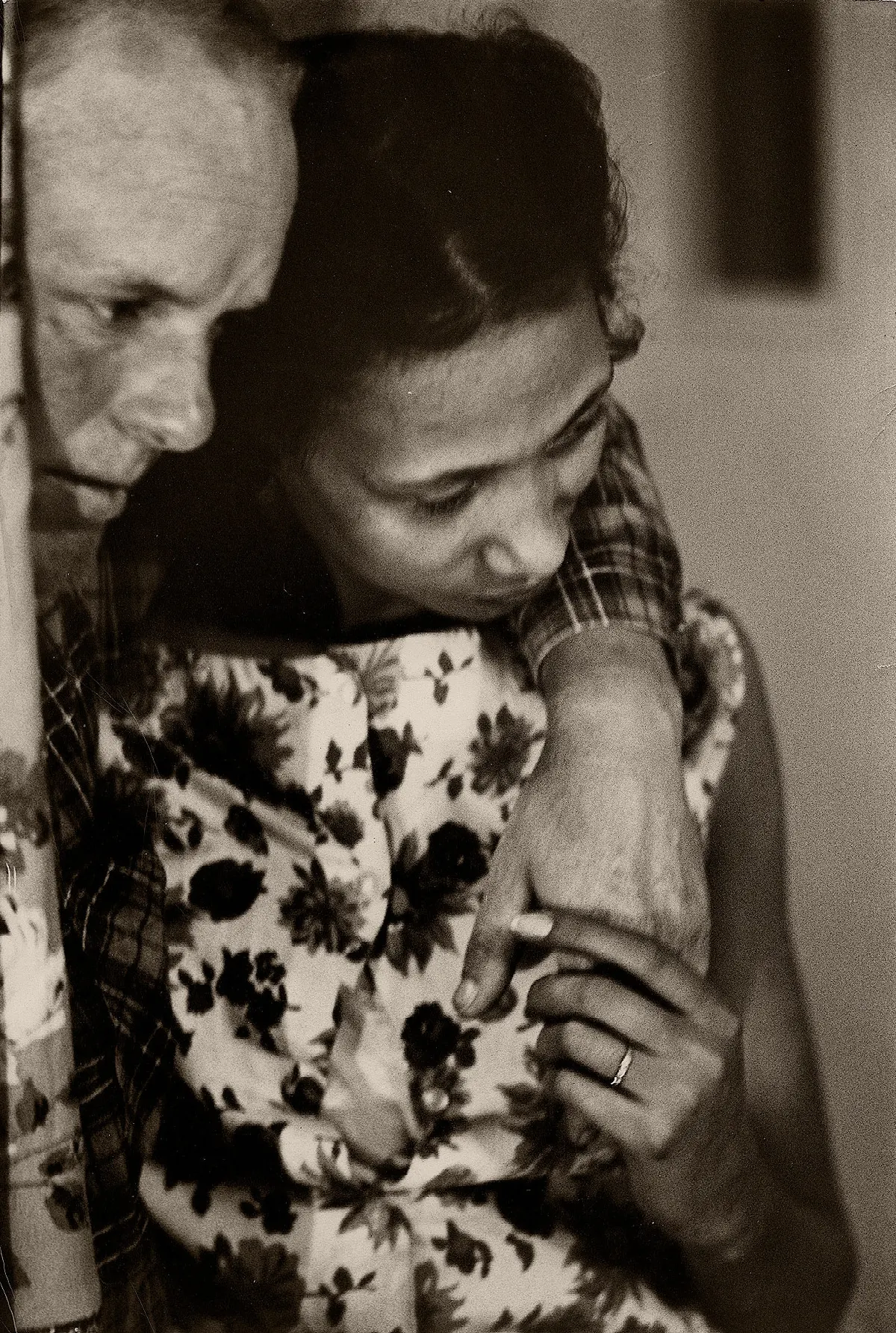
Richard and Mildred Loving, Virginia, April 1965, photographed by Grey Villet
Richard & Mildred · 1965
Grey Villet · © Estate of Grey Villet
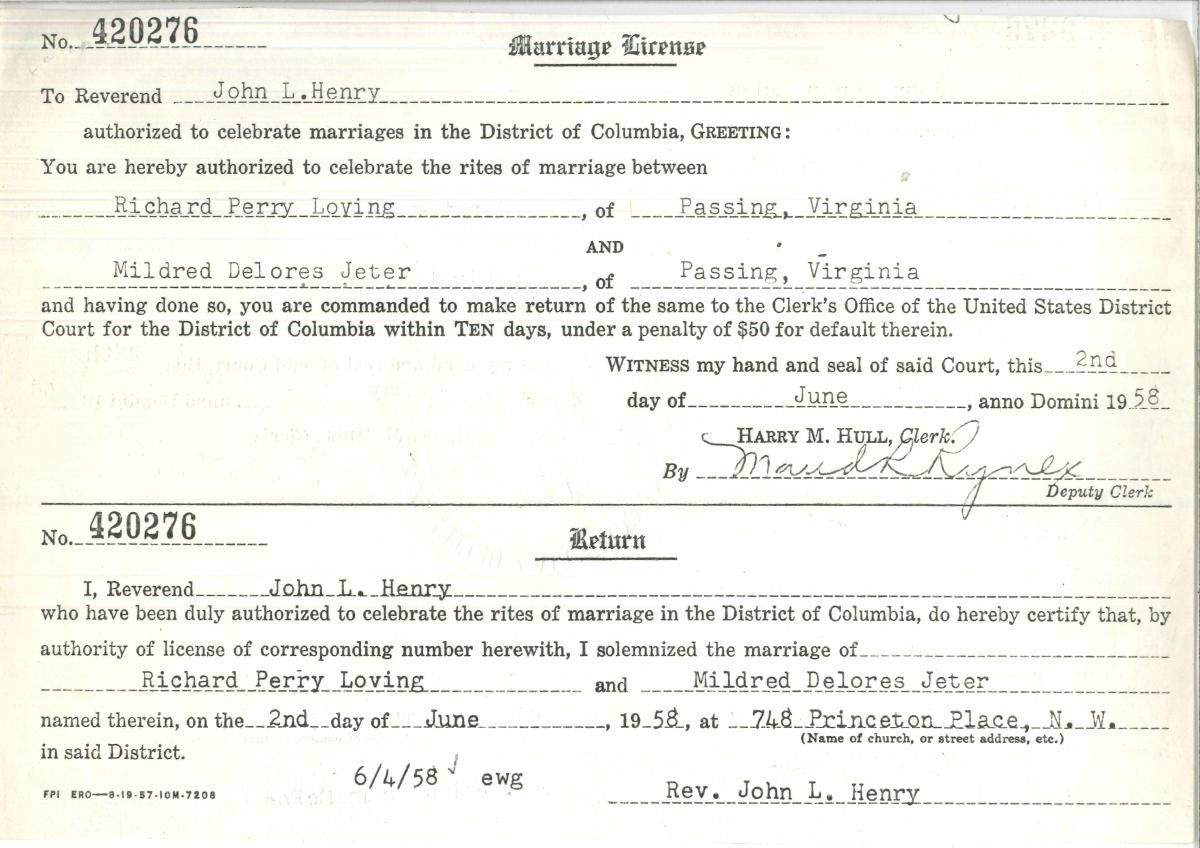
Original marriage license issued June 2, 1958
1958 · The marriage license
National Archives
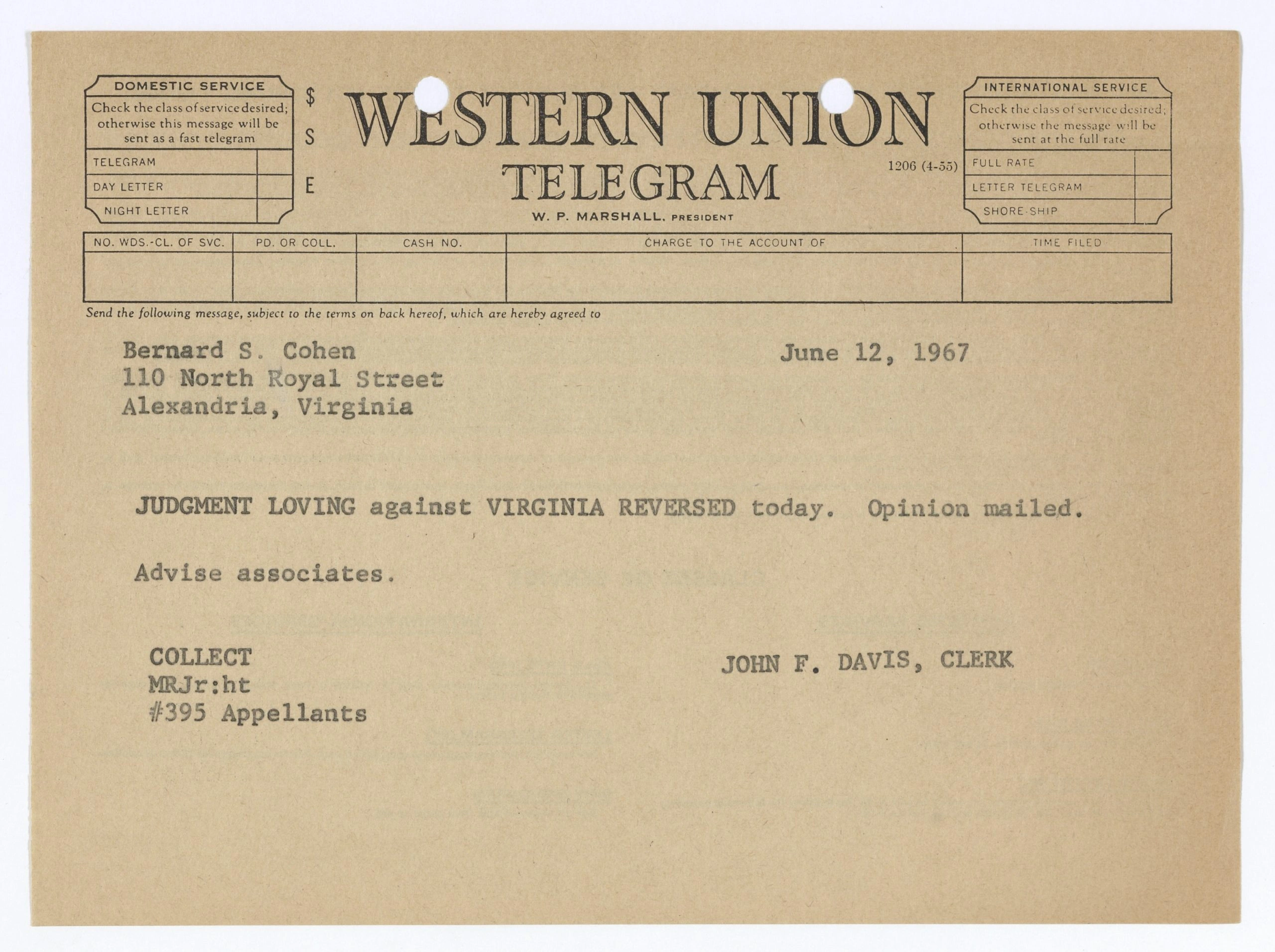
Original telegram informing Bernard Cohen that the judgment in Loving v. Virginia was reversed
1967 · The decision arrives
National Archives

LOVING · THE PEOPLE BEHIND THE STORY

Two names.
A turning point.

Before the headlines, there were Richard and Mildred: a couple who wanted to make a home together in Virginia.

These are their real faces and the documents behind the story — a marriage license, then nine years later a telegram announcing that the judgment against them had been reversed.

  1. 1958Married in Washington, D.C. Arrested after returning to Virginia.
  2. 1963Mildred’s appeal for help leads to the ACLU and a legal challenge.
  3. 1967The Supreme Court strikes down bans on interracial marriage.
Explore the historical record · National Archives
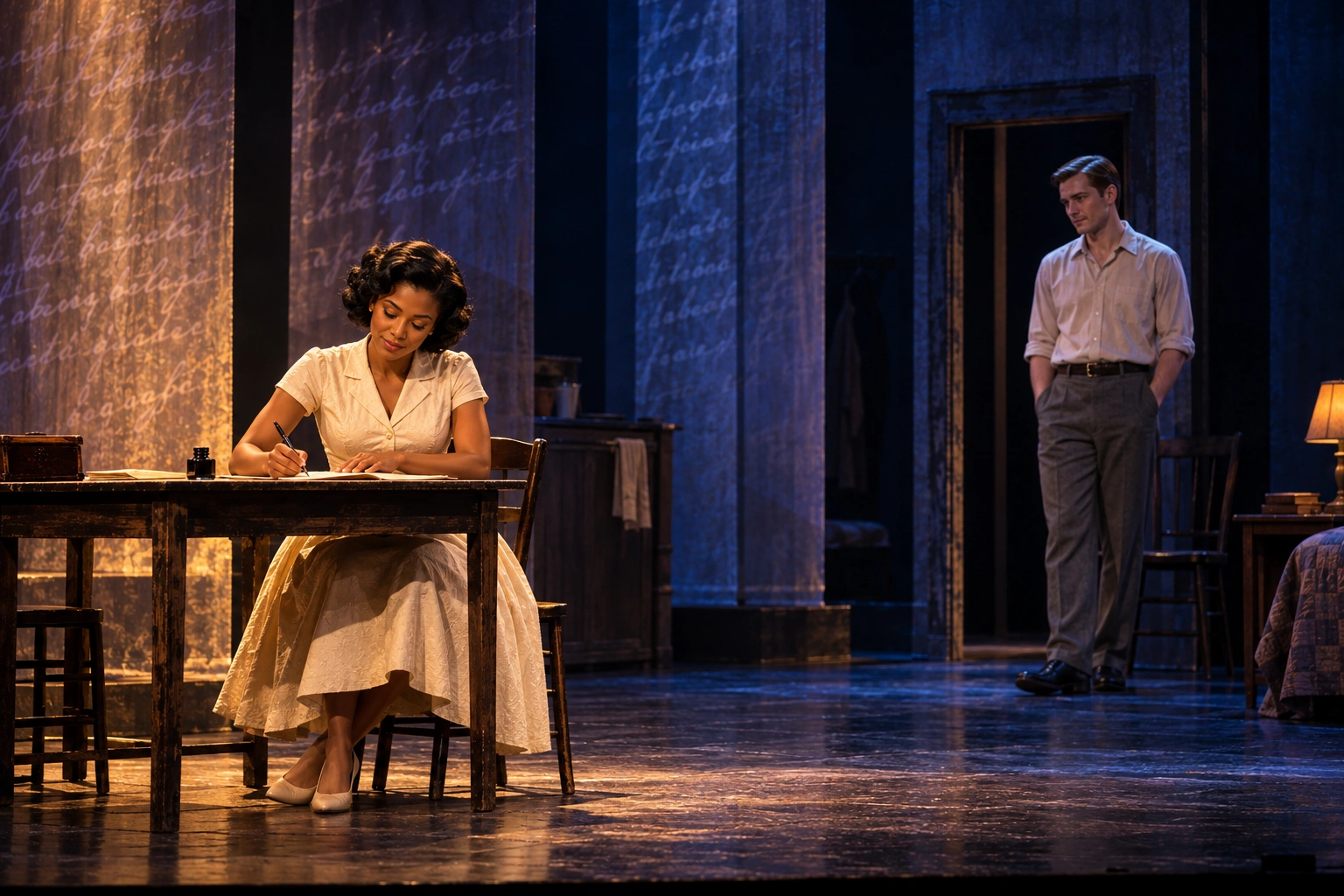
Theatrical concept: Mildred writes a letter at a table, while Richard watches from a doorway
A letter becomes a voice · New staging concept

FROM HISTORY TO THE STAGE

A quiet letter.
A voice that grows.

In exile from Virginia, Mildred writes to Robert Kennedy asking for help. A private wish — to return home with her family — begins its journey into public life.

That intimate impulse is at the heart of More Than Hope. In this staging concept, a table, a doorway and a pool of light hold the scene. Richard is close enough to hear, but the act of writing belongs to Mildred.

Handwriting rises across the scrims. A small room opens into a larger world: one woman’s words finding the strength to be heard.

The scale is intimate.
The consequences are immense.

Visual concept for the musical · AI-generated stage image

THE SOUND OF LOVING

AUDIO TRAILER & SIX SONGS

Two voices.
A story in song.

Start with the audio trailer, then explore six musical moments — from the first spark of love to the collective voice of Freedom.

1 / 7
LOVING Audio Trailer — typographic artwork with light, shadow and historic letter textures

LOVING · 01

Audio Trailer

A first journey into LOVING

Two people. One extraordinary story. Discover the voices, intimacy and collective spirit of LOVING.

0:00 / 0:00Tap or drag the waveform to seek

Imagined stage scenes for LOVING · AI-generated artwork

WHY NOW?

The laws belong to another era.
The question does not.

What happens when something profoundly personal — love, family, home, the right to belong — comes into conflict with a system larger than the individual?

The laws Richard and Mildred confronted belong to another era. The question at the center of their story does not.

LOVING is not simply a story about interracial marriage.

It is a story about the moment an ordinary person decides that something accepted by society is no longer acceptable.

About the courage to act.

And about the possibility that one voice, one decision, or even one letter can begin to change the world.

HOW THE PROJECT BEGAN

A note from
Demitri DARR.

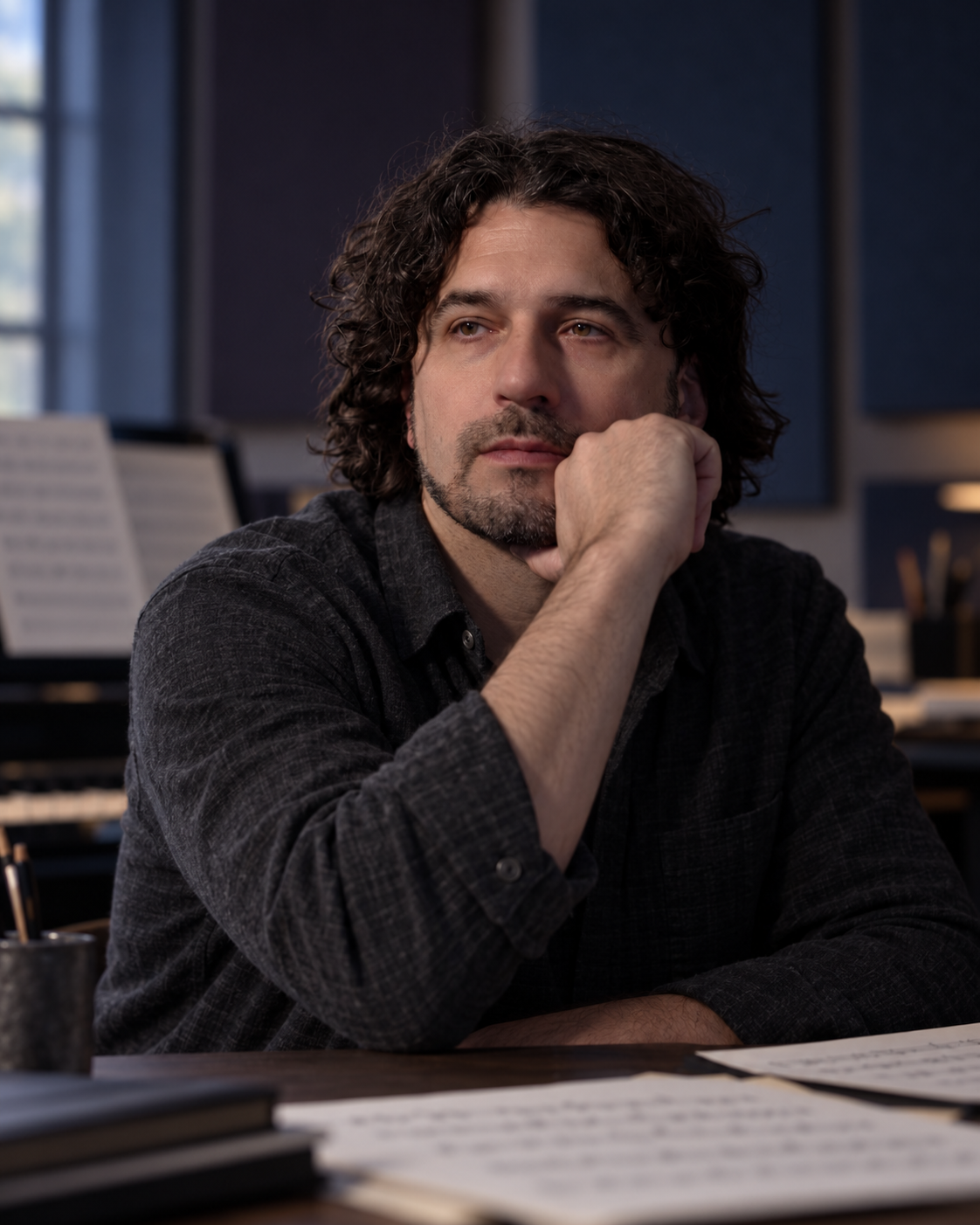
Creative portrait of composer Demitri DARR, generated from his original photograph
DEMITRI DARR · COMPOSER / CREATOR

I discovered the story of Richard and Mildred Loving almost by accident.

I was searching for an idea for a new project when I came across their story online. I knew almost nothing about them. But within minutes, I was completely absorbed.

What struck me most was its extraordinary contradiction: this was both an intimate love story and a story capable of changing history.

And then I discovered Mildred’s letter to Robert Kennedy.

The idea that one woman, simply trying to bring her family home, could take a first step that would eventually help challenge an entire legal system stayed with me.

Almost immediately, I began hearing music.

Two of the first pieces were “Freedom,” connected to the March on Washington, and “More Than Hope,” inspired by Mildred’s letter.

Those two musical worlds — one public and powerful, the other intimate and personal — became the first emotional pillars of the project.

From there, the story began to grow.

The libretto took shape, scenes emerged, and over the next year and a half to two years I continued building the musical language of LOVING, writing music specifically for its characters, its conflicts, and its changing emotional landscape.

Demitri DARR reviewing music at the studio keyboards
AT THE KEYS · DEMITRI DARR
Civil rights demonstrators carrying signs at the March on Washington, 1963
MARCH ON WASHINGTON · 1963Marion S. Trikosko / Library of Congress · Public domain

THE MUSIC

Two lives.
A world of sound.

The story begins in ordinary life — with youth, love, movement, humor, and energy.

As the world around Richard and Mildred changes, the music changes with it.

The score moves through different musical colors: intimate songs, energetic ensemble numbers, rhythm-driven and dance-based material, dramatic musical theatre, and large-scale sequences connected to the Civil Rights era.

I wanted the score to have a broad musical palette because the story itself moves between two very different dimensions:

The private life
of two people —
and the movement
of history around them.
Crowds at the March on Washington for Jobs and Freedom, August 28, 1963
March on Washington · August 28, 1963 · USIA / National Archives ↗︎

THE HEART OF LOVING

A few questions.
The heart of the story.

What is LOVING really about?

Love. Home. Family. And the right to decide how we live our own lives.

Why tell this story now?

Because the specific law may belong to history, but the conflict between the individual and the system is timeless.

What makes Richard and Mildred extraordinary?

Perhaps the fact that they were not trying to be extraordinary.

They wanted to live together.

And by insisting on something that should have been simple, they changed far more than their own lives.

What should the audience leave with?

The belief that change is possible.

That history is not only shaped by governments, courts, or powerful institutions.

Sometimes it begins with an ordinary person who simply decides:

This cannot remain the way it is.

Two hands together — symbolic project artwork for LOVING

LOVE · COURAGE · CHANGE

LOVING

A new musical about love, courage, and the power of one human decision to change the course of history.

Explore all projects ↗︎

Let’s bring it to the stage.

Productions, commissions & creative collaborations.

demitridarr@gmail.com